IDEA: International Dialects of English Archive
Welcome to IDEA. The International Dialects of English Archive was created in 1998 as the internet’s first archive of primary-source recordings of English-language dialects and accents as heard around the world. With roughly 1,700 samples from 135 countries and territories, and more than 170 hours of recordings, IDEA is now the largest archive of its kind.
IDEA’s recordings are principally in English, are of native speakers, and include both English-language dialects and English spoken in the accents of other languages. (Many include brief demonstrations of the speaker’s native language, too.) The archive also includes extensive Special Collections.
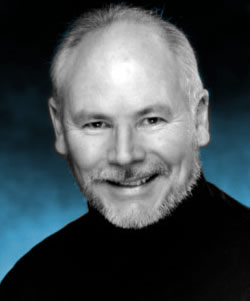
Paul Meier
Paul Meier is IDEA’s founder, director, and principal contributor, personally collecting nearly 20 percent of the archive. He established IDEA to provide actors the real-life models they need for their characters’ accents and dialects; many actors use his Accents & Dialects for Stage and Screen in conjunction with IDEA. But IDEA has proved invaluable in many other fields too; for example, it’s a favorite tool of international business, helping personnel become familiar with their customers’ accents and dialects.
HOW IDEA WORKS
To find an example of an accent or dialect, use the Global Map, or the Dialects and Accents tab on the menu bar. The site is also fully searchable, not just by country, state, and province, but also by characteristics of each speaker, such as ethnicity, age, and occupation; even single phrases from transcriptions and phonetics can be searched online. You may conveniently listen to the streaming audio while reading the accompanying transcription and commentary. All samples have one-line descriptions (gender, age, year of birth, ethnicity, location). Submission of new samples by the editors and other contributors is done entirely online.
 At the heart of IDEA are its Senior Editors and the Associate Editors, forming a global network of contributors. They record the subjects, transcribe the recordings, and, in many cases, write scholarly commentaries that often include phonetic and cultural analyses. Many editors are professors at major universities, or are members of The Voice and Speech Trainers Association (VASTA).

Cameron Meier
Cameron Meier is IDEA’s executive editor and chief sound and copy editor, and also vice president of Paul Meier Dialect Services.
New recordings, their accompanying transcriptions and scholarly commentaries are added frequently (see What’s New). Each recording includes both a reading (Comma Gets a Cure, or, on our earliest recordings, The Rainbow Passage) and some unscripted speech – about four minutes in all.
The Global Map quickly reveals which countries/states/provinces have a representative sample, and those that still lack one. As you see, IDEA continues to grow, aspiring to provide a recording from every corner of the world. Please join us in this ambitious project by becoming an associate editor, or contributing your own voice to the archive.
IDEA IS SUPPORTED BY



LIKE IDEA ON FACEBOOK